
You Graduated 🧑🏾🎓 Congrats!… Now What?
May 25, 2026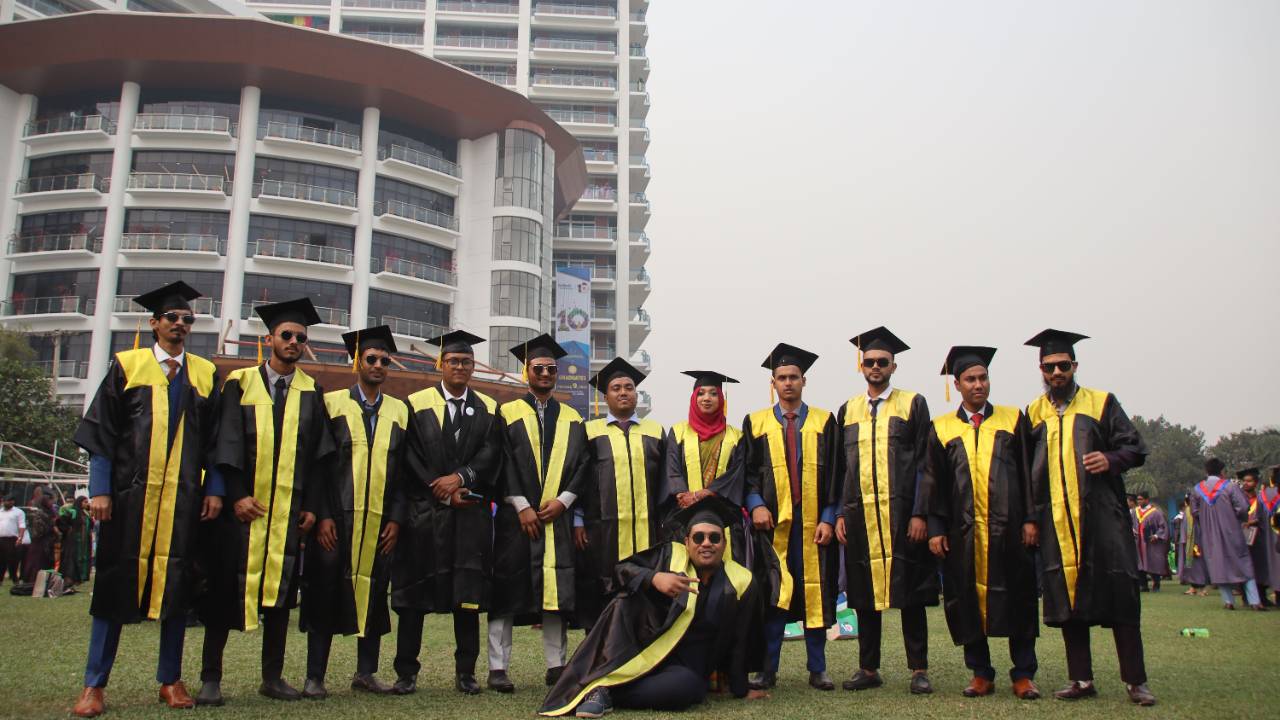
Graduation is supposed to feel exciting. And it does… for about five minutes.
You take the photos. Wear the cap and gown. Call your family back home. Maybe post the graduation picture with a caption about “new beginnings.” But then, somewhere underneath all the celebration, another feeling quietly starts creeping in, Okay… now what?
For many international students in the US, graduation doesn’t just mark the end of school. It marks the beginning of a completely different kind of pressure. Suddenly, there’s no more semester structure. No more campus routine. No more “student life” buffering the uncertainty.
Now there’s OPT. Job applications. Visa timelines. Money concerns. Expectations from family. Friends announcing offers on LinkedIn. And this strange feeling that everyone else seems more certain than you are.
It’s a huge emotional transition, and honestly, not enough people talk about that. If graduation feels exciting and overwhelming at the same time, you’re not doing anything wrong. You’re just in one of the biggest transition periods of your life! Clarity rarely comes all at once. Most people are figuring things out as they go.
|
|
One of the biggest priorities after graduation is making sure you start your OPT period correctly. And the important thing about OPT is that it’s not just paperwork, it’s time management. Once your unemployment clock starts, those 90 days can suddenly feel very fast. That’s why this period needs structure, even if you don’t have a job yet.
A mistake many graduates make is treating unemployment like “waiting.” But this season works much better when you treat it like a strategy phase. Even if you don’t have an offer yet, there’s still a huge difference between being unemployed and being inactive. The students who navigate this period best are usually the ones who build a plan early instead of reacting emotionally every day.
Think in terms of a 90-day game plan.
Not panic.
That might mean setting weekly application goals, building networking routines, improving your resume, practicing interviews consistently, attending events, reaching out to alumni, or gaining experience through internships, volunteer work, certifications, research, or contract opportunities related to your field.
Momentum matters more than perfection right now.
|
|
And if you don’t have a job immediately after graduation, please hear this clearly, that does not mean you failed. The internet has created this illusion that everyone graduates with a six-figure offer waiting for them. But in reality, many international students spend months navigating uncertainty before things finally click. Some people get lucky early. Others build slowly. Both paths are valid.
The hardest part of this season usually isn’t even the applications themselves, it’s the mental pressure that comes with them. The constant checking. The comparing. The silence after interviews. The fear of running out of time. The awkward conversations with relatives asking, “So… did you find a job yet?”
It can become emotionally exhausting very quickly. Which is why protecting your mental health after graduation matters just as much as protecting your visa status. Sometimes, the healthiest thing you can do is stop measuring your life against other people’s timelines. Someone else getting an offer does not take away your opportunity. Someone posting success online doesn’t show the stress, rejection, or uncertainty they experienced privately. Everyone’s journey looks cleaner from the outside.
What matters now is staying mentally steady long enough for your opportunity to arrive. That means creating routines even when life feels uncertain. Waking up at consistent times. Leaving your apartment. Exercising. Talking to people. Celebrating small wins. Taking breaks without guilt.
Job searching is not just a professional challenge. It’s an emotional one. And the students who eventually break through are often not the smartest or most connected, they’re the ones who learned how to stay consistent without burning themselves out.
|
|
If graduation feels both exciting and scary right now, that’s okay. You’re standing in the space between what was familiar and what comes next. That space is uncomfortable. But it’s also where growth happens. And even if your path after graduation doesn’t look exactly how you imagined it would, you are not behind.
So take a breath. Build a plan. Stay consistent. And remember, not having everything figured out immediately after graduation is far more normal than people admit.